14 July 2026
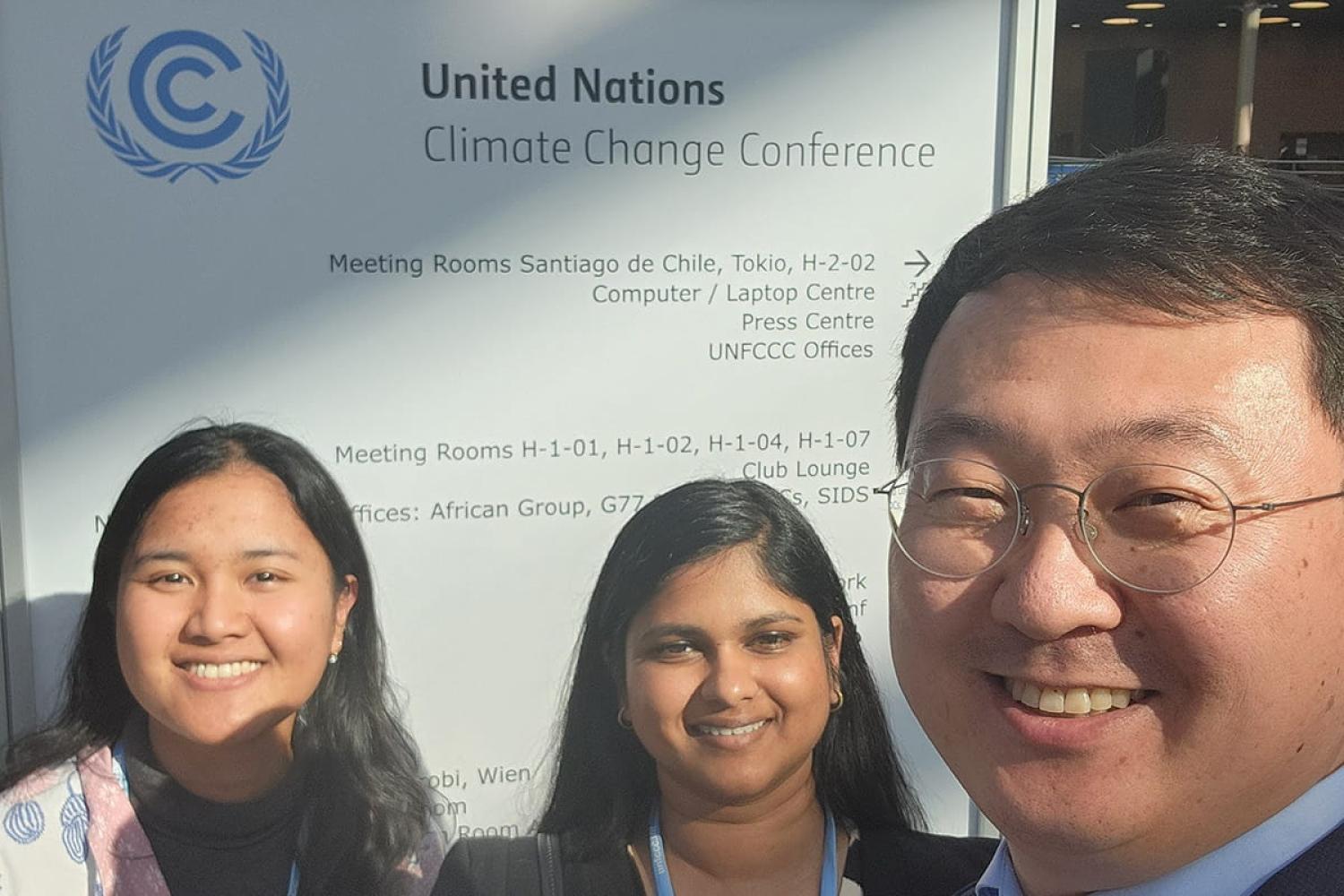
What actually happened in Bonn
Adaptation was the clearest casualty. Talks on the Global Goal on Adaptation stalled largely over finance, developing countries wanted the "triple adaptation finance by 2035" target agreed at COP30 written into the text, which several developed-country delegations resisted and over whether a taskforce refining the goal's 59 indicators should be technical or party-driven. With no consensus, the item lapsed to COP31 unresolved under the UNFCCC's "Rule 16." The mitigation work programme, the only formal agenda item on cutting emissions, met the same fate, as did talks on reforming the Adaptation Fund's board.
Climate finance was the fault line running through most of this. Developed countries pointed to a record $136.7bn delivered in 2024 as proof of progress, but developing countries and civil society warned that aid cuts since then mean spending has likely fallen, with almost no new pledges for 2026. A push for a "dedicated space" on public-finance obligations met resistance from delegations wanting a broader focus; the outgoing COP presidency intervened, requesting the issue be added to COP31's agenda.
Not everything stalled. Parties agreed a package of texts on the "just transition mechanism" from COP30, dubbed the Belém-Antalya Mechanism by civil society setting it up for adoption at COP31, and agreed to keep the UN Environment Programme on as host of the Climate Technology Centre, securing continuity of technology support into 2027. A text on COP31's own organisation was finalised too, alongside a first-ever, largely pragmatic dialogue on climate and trade.
COP31 runs 9–20 November in Antalya, Türkiye's first time hosting, under a shared Australian-Turkish presidency, the first split presidency in UNFCCC history. A pre-COP hosted in the region, alongside initiatives like the Pacific Resilience Facility, is meant to reinforce that focus ahead of the summit.
What it was like on the ground
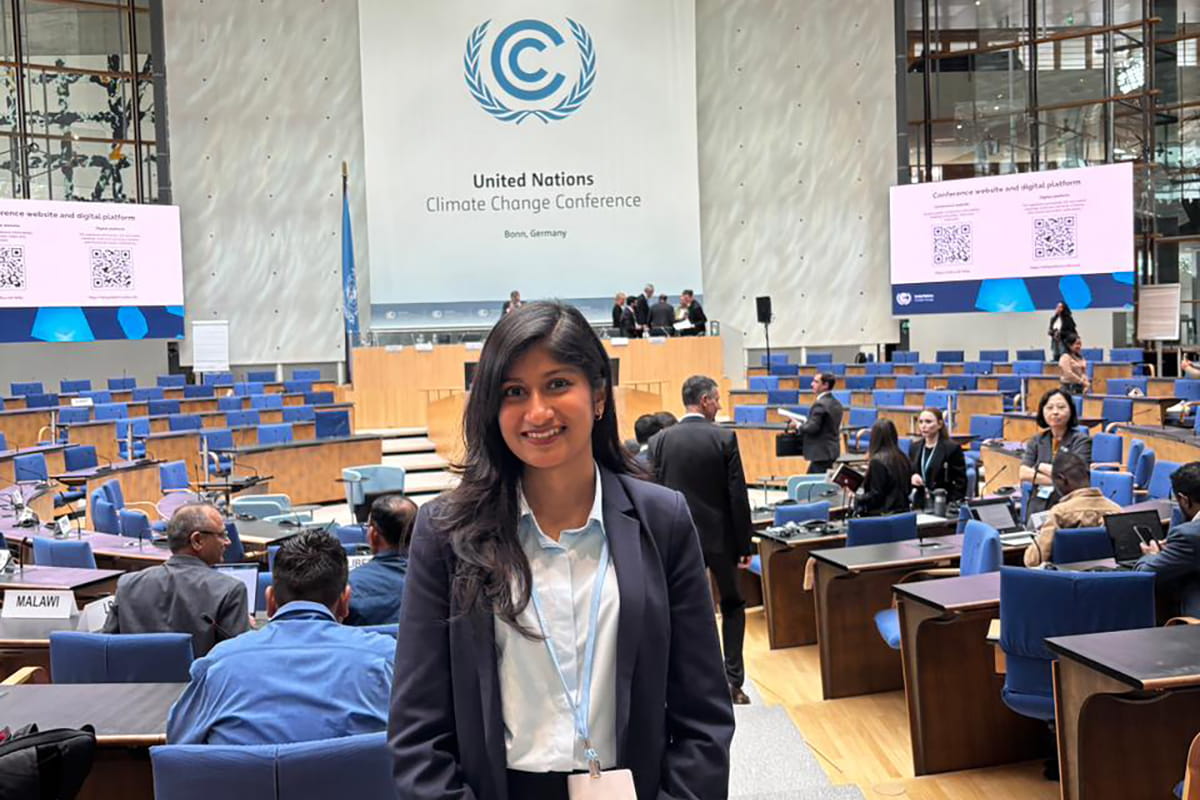
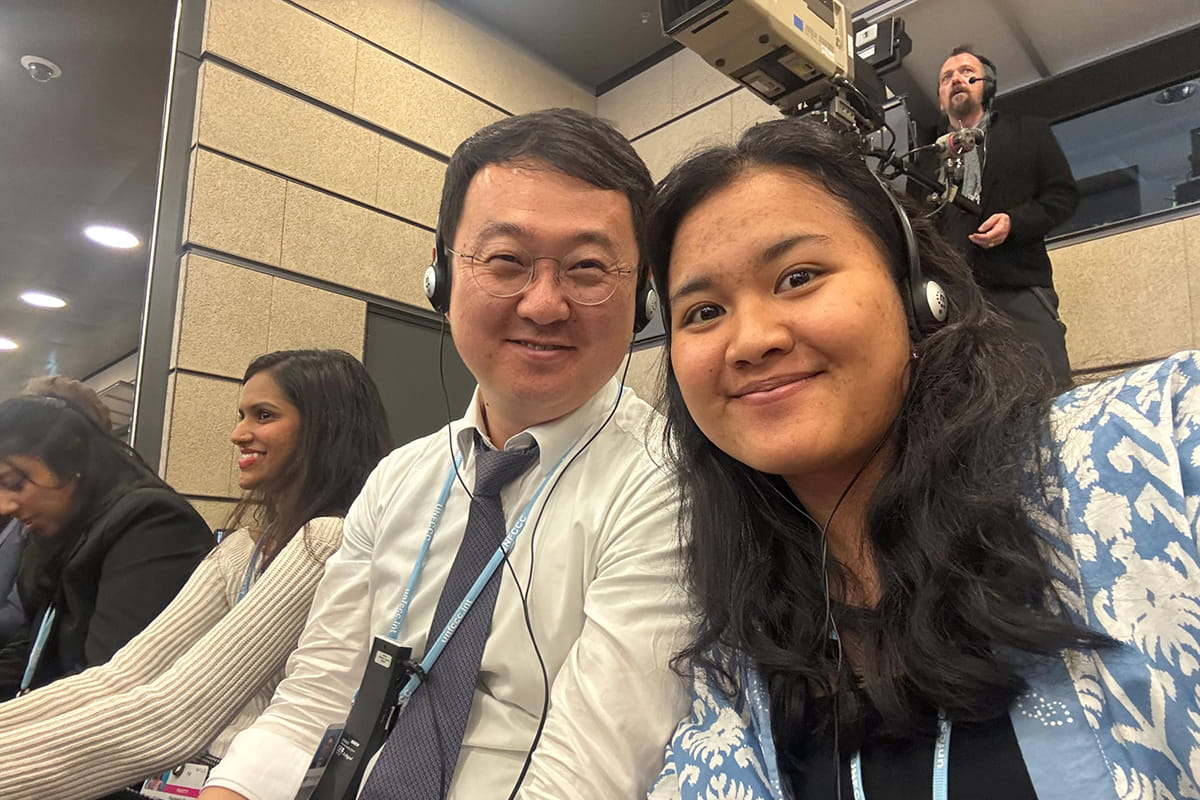
For the students who attended, the experience cut through the abstraction of the negotiating texts. One delivered a formal YOUNGO (UNFCCC Youth Constituency) intervention on grant-based finance and Indigenous Peoples' access to climate funding — noting that Indigenous communities receive less than 1% of global climate finance — and described telling negotiators plainly that the money exists; what's missing is political will. Another sat behind delegates during the Technology Mechanism talks, watching for the first time how a decision text gets built: contested, delayed, sometimes blocked, shaped throughout by disputes over equity and historical responsibility. A recurring thread was gender-responsive finance — the sense that gender gets tagged in climate finance discussions far more often than it's prioritised. Several also reflected on who wasn't in the room: the privileges that made their own attendance possible, while many youth and civil society representatives from the Majority World couldn't be there for the same reasons.
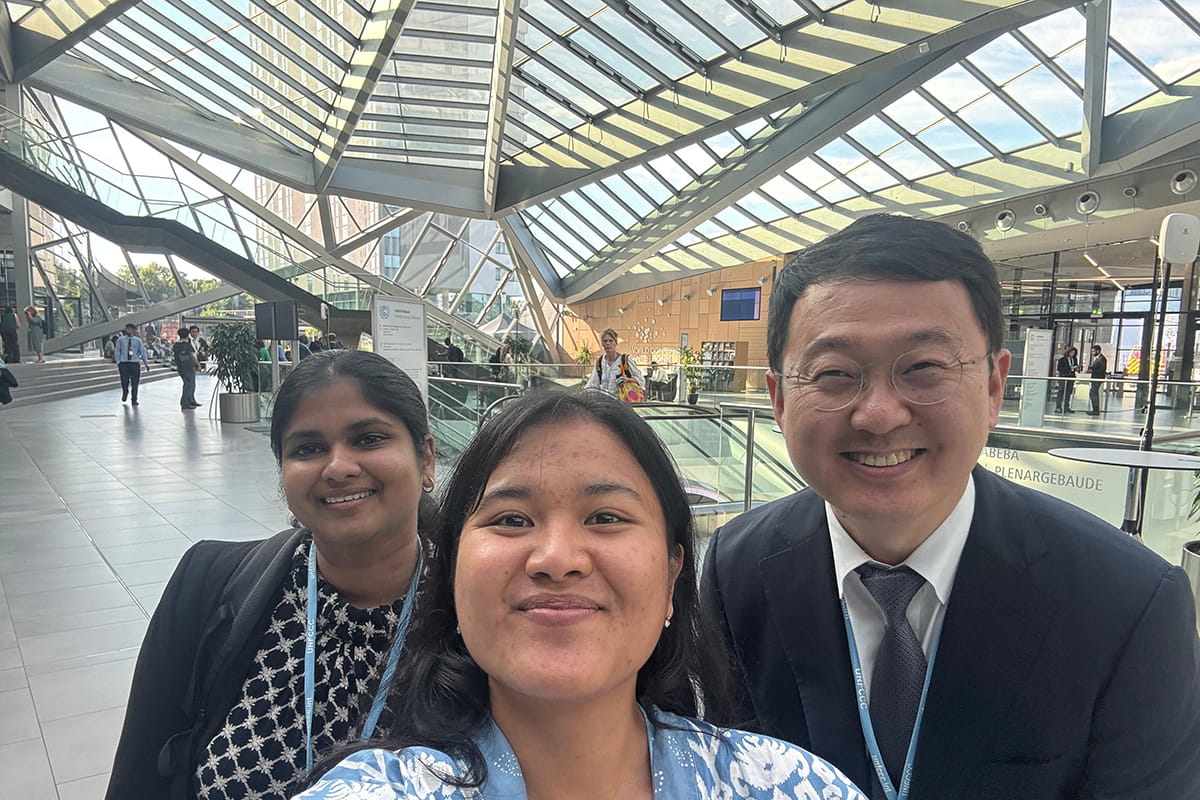
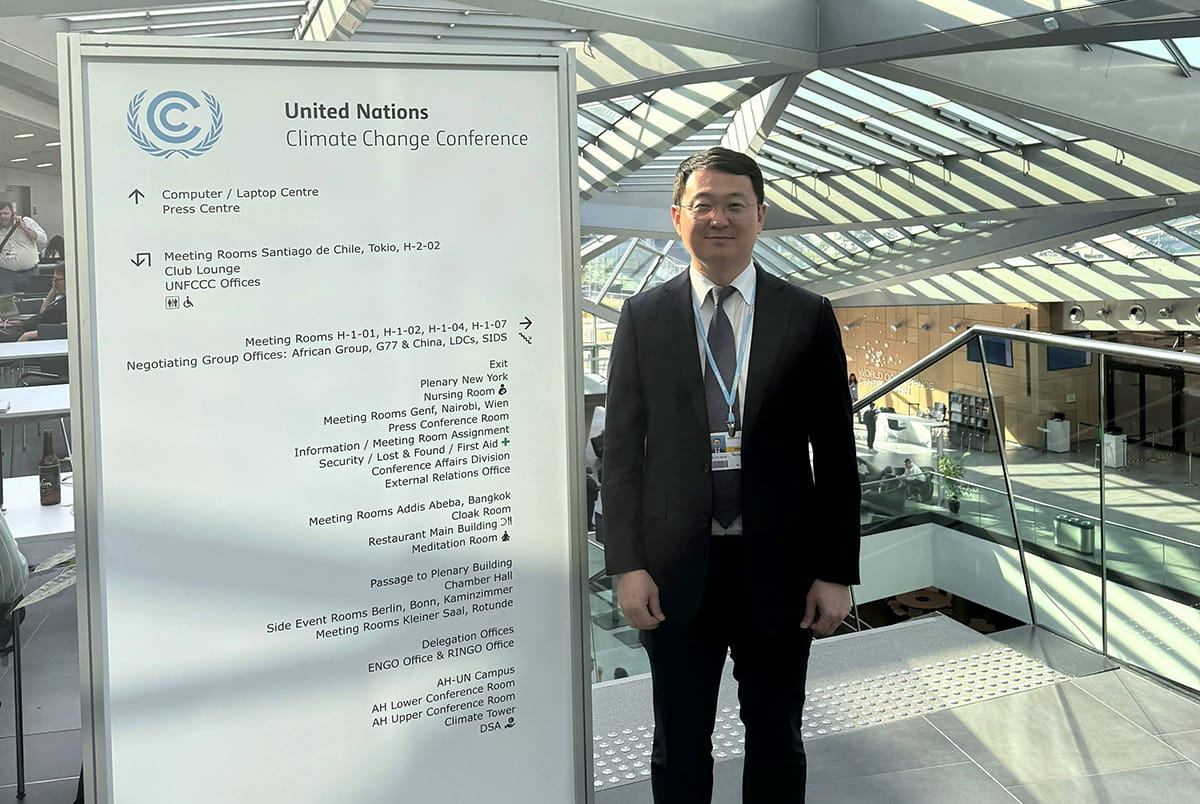
University of Edinburgh Delegation to UNFCCC SB64
- Dr Karishma Ansaram, Lecturer in Climate Finance and Investment, Business School.
- MSc Climate Change Finance and Investment Students
- Seunghwan Shin
- Lufei Yan
- Paulina Prabawat
- Srujani Manjunath
- Yuqi He
- Law School
- Linn Pfitzner – PhD Candidate in International Climate Law, The University of Edinburgh